Introduction
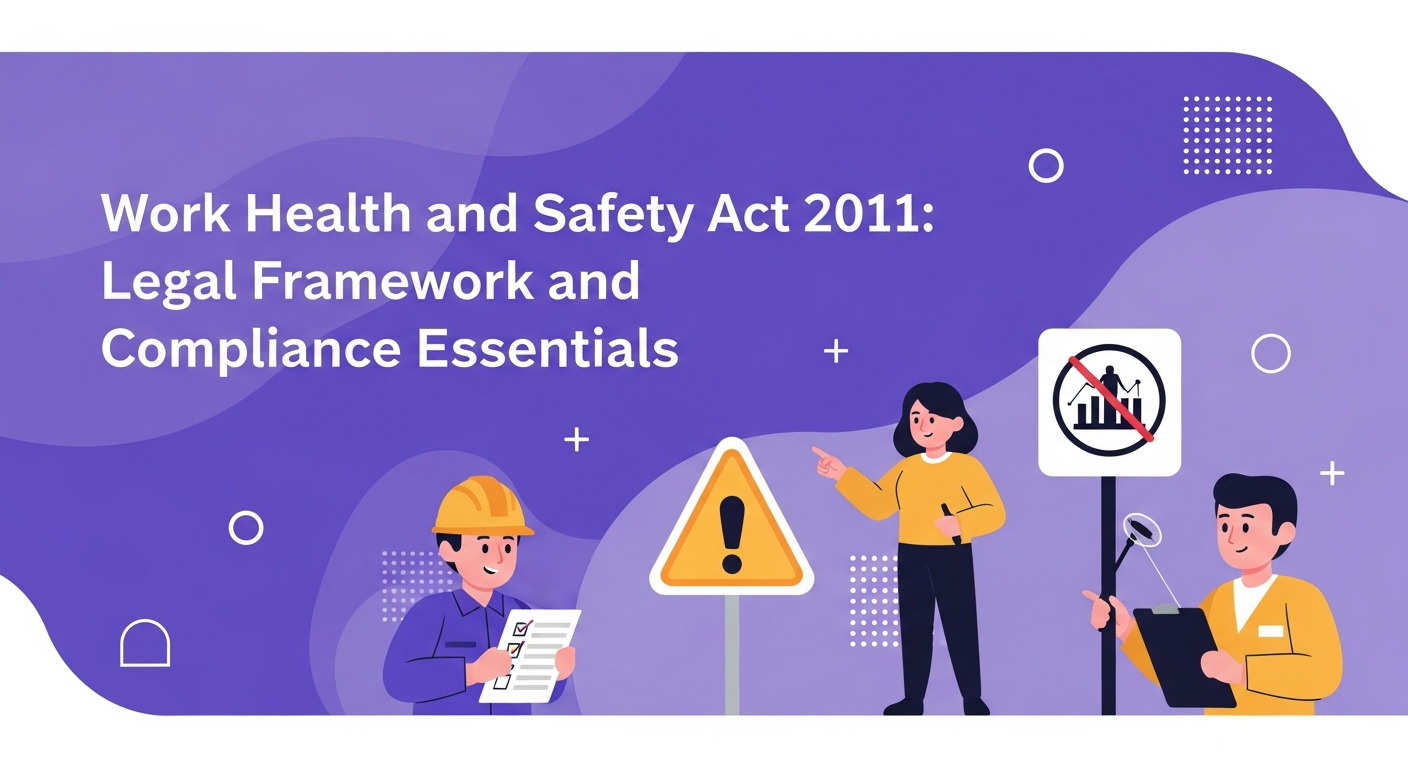
The Work Health and Safety Act 2011 (WHS Act) is a pivotal piece of legislation in Australia, designed to ensure the health, safety, and welfare of workers and other persons at work. Understanding its legal framework and compliance essentials is crucial for businesses of all sizes. This article provides a comprehensive overview of the Work Health and Safety Act 2011, its key components, and practical strategies for achieving and maintaining compliance.
Legal Framework of the Work Health and Safety Act 2011
The Work Health and Safety Act 2011 establishes a framework of duties and responsibilities aimed at preventing workplace injuries and illnesses. It applies to a wide range of workplaces and covers various aspects of work, including:
- Risk management
- Hazard identification
- Consultation with workers
- Training and supervision
- Incident reporting and investigation
The Act is supported by regulations and codes of practice that provide detailed guidance on how to comply with the legal requirements. These regulations outline specific duties for different types of workplaces and activities.
For a deeper understanding of core principles and best practices, refer to our article Work Health and Safety: Core Principles, Responsibilities, and Best Practices.
Key Components of the WHS Act
Several key components underpin the Work Health and Safety Act 2011:
-
Duties of Care: The Act places a primary duty of care on persons conducting a business or undertaking (PCBUs) to ensure the health and safety of workers and others who may be affected by their work.
-
Worker Participation: Emphasizes the importance of worker involvement in WHS decision-making through consultation and representation.
-
Risk Management: Requires businesses to identify hazards, assess risks, and implement control measures to eliminate or minimize those risks.
-
Incident Management: Outlines procedures for reporting, investigating, and managing workplace incidents to prevent recurrence.
-
Compliance and Enforcement: Provides powers for inspectors to monitor compliance, issue notices, and prosecute breaches of the Act.
Compliance Essentials Under the Work Health and Safety Act 2011
To ensure compliance with the Work Health and Safety Act 2011, businesses should focus on the following essentials:
-
Developing a WHS Management System: Implement a comprehensive system that includes policies, procedures, and processes for managing WHS risks.
-
Conducting Risk Assessments: Regularly assess workplace hazards and implement appropriate control measures.
-
Providing Training and Information: Ensure workers receive adequate training, information, and supervision to perform their jobs safely.
-
Consulting with Workers: Establish effective mechanisms for consulting with workers on WHS matters.
-
Maintaining Records: Keep accurate records of WHS activities, including risk assessments, training, and incident reports.
Practical Strategies for Workplace Safety
Implementing practical strategies can significantly enhance workplace safety and compliance:
-
Regular Inspections: Conduct routine inspections to identify and address potential hazards.
-
Safety Audits: Perform periodic audits to evaluate the effectiveness of the WHS management system.
-
Emergency Preparedness: Develop and practice emergency response plans.
-
Health and Wellbeing Programs: Promote worker health and wellbeing through initiatives such as stress management and ergonomic assessments.
Elevate Your WHS Expertise with CBD College
Are you ready to take your expertise in Work Health and Safety to the next level? At CBD College, we offer comprehensive WHS courses designed to equip you with the knowledge and skills needed to excel in this critical field. Whether you're looking to advance your career or enhance your organization's safety standards, our courses provide the perfect pathway.
Explore our offerings:
We deliver our courses in Sydney, Melbourne, and via ZOOM, offering flexible learning options to suit your needs.
Conclusion
Compliance with the Work Health and Safety Act 2011 is not just a legal obligation but a moral one. By understanding the legal framework, implementing compliance essentials, and adopting practical strategies, businesses can create safer, healthier, and more productive workplaces. Prioritizing WHS not only protects workers but also enhances business reputation and sustainability.